
When a string bass is played well, it can turn a song from a tune into a tune into a true story. That’s why finding the right rosin is so important.
There are a lot of brands and options out there, but we decided to do some string bass rosin research for you. Here are our top picks.
Read on to learn more about our favorite string bass rosins.
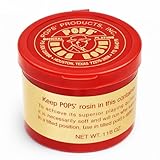

Our Editor’s Best String Bass Rosin Reviews

- For Upright String Bass
- Medium grade
- This is the genuine Carlsson Swedish Bass Rosin
- Known for its fine quality by jazz and classical players around the world
- Foil wrapped in a blue cup with attached hinged lid
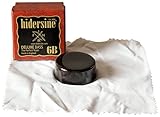
- PROFESSIONAL GRADE: Premium English-made rosin trusted by orchestral, jazz, and solo bassists worldwide for its reliable performance and smooth bow response.
- ALL-WEATHER FORMULA: Specially designed to maintain consistent playability in both humid and dry environments, ensuring dependable tone and feel year-round.
- PORTABLE & CONVENIENT: 30g clear black cake is packaged in a decorative protective box that fits easily into any double bass case or gig bag pocket.
- READY TO USE: Ideal for beginners through professionals, providing effortless application, clean grip, and long-lasting durability for daily practice or stage performance.

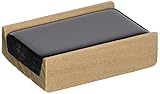
- EXTENDS ROSIN LIFE: D'Addario's Rosin Guard helps players extend the life of their rosin by keeping it secure on all sides.
- MAGNETIC & COFORTABLE GRIP: The comfortable shock-absorbent grip allows for easy and effective application to the bow while the magnetic backing makes sure the Rosin Guard is always within reach.
- SHOCK ABSORBENT: Shock-absorbent guard that protects rosin from breakage, extending the life of each rosin cake.
- REFILLABLE: The D'Addario Rosin Guard includes VR200 rosin and is easy to refill with D'Addario Natural Rosin.
- DISHWASHER SAFE: Dishwasher safe to easily clean your rosin guard when rosin is removed.
- The Package Length of the Product is 6.604 centimeters
- The Package Width of the Product is 4.318 centimeters
- The Package Height of the Product is 1.524 centimeters
- Country of Origin: UNITED STATES

- Meticulously formulated after extensive research and countless experiments to ensure a sustained and dependable grip
- Traction properties remain unaffected by fluctuations in temperature; does not succumb to drying out
- “Firmer”: Rosin for relatively higher temperature conditions (17°C ≤) or those aiming for a crisp clear tone with quick response from bass bow
- Depending on the climate or playing style, create your perfect blend to achieve your desired balance of grip and tone quality by applying both SOFTER and FIRMER formula rosin together and blending on the bow hair in various ratios
- Rosin Spreader Included: Rosin Spreader can be used clean and revitalize the bow hair when the hair gets gunked up with sticky soft rosin with other dirts

- Purpose: Provides a good grip, suitable for general playing conditions Texture: Medium soft and sticky Usage: Acts as a base coat (typically 3-6 swipes). Can be used on its own without any additional rosin.

- Brand: Grover/Trophy
- Product Code: 59823
- For Medium Climates

- Maximum Grip & Powerful Articulation. Ultra formula delivers superior bow grip and dramatic "pop" ideal for cellists and bassists seeking enhanced projection and string response.
- Elegant Bach Manuscript Design. Housed in a sophisticated case featuring classical Bach manuscript styling, combining artistic elegance with professional performance.
- Juilliard-Developed Excellence. Created by a Juilliard-trained cellist using 100% purified pine resins, endorsed by top soloists and educators worldwide.
- Handcrafted Quality. Meticulously crafted in Minnesota for consistent premium performance. Perfect for professional use and demanding musical situations.
- Preferred for Lower Strings. Specifically formulated to meet the needs of cello and bass players while remaining effective for all string instruments.
Best String Bass Rosin Buying Guide
Before choosing the best string bass rosin you should consider following options:
1. String Bass Rosins: The first thing that you need to understand is that there are different types of string bass rosins available in the market.
Depending on the material that they are made from, these rosins are broadly classified into two categories – hard and soft.
A hard rosin is made from a solid block of resin and is best suited for warm sounding instruments.
Soft rosins are made from a softer mixture of rosin and wax and are best suited for brighter sounding instruments.
While selecting a rosin, you should also keep in mind the climate where you are going to play.
In cold climates, a softer rosin will provide the right amount of grip and will prevent the strings from breaking.
On the other hand, a hard rosin will provide a richer tone in a dry climate.
2. Rosin Quality: Even though the rosins are manufactured from different raw materials, the quality of these products is quite similar.
There are a few variants that you can find in the market such as – medium, hard and soft.
You can select the one that suits your needs the best. However, irrespective of the type of rosin that you select, it is important that you use the right amount of rosin on the bow hair.
Using too much rosin will make the bow sticky and will make it difficult to play the instrument. On the other hand, not applying enough rosin will reduce the tone and the articulation of the instrument.
Using the right amount will ensure that the strings grip the rosin and produce a rich tone while playing.
3. Cost: The cost of string bass rosins is quite similar and generally depends on the packaging and the quality of the product.
The prices can vary from $2 to $20 depending on the type and quality of the rosin.
The price of the rosin is generally dependent on the size of the packaging. For example, a larger package of rosin will generally cost less per ounce.
Hard Rosins will generally cost more than soft rosins. On the other hand, premium rosins will generally cost more than regular rosins.
4. Environmental Conditions: The type of rosin that you select for your string bass is also dependent on the climate where you are going to play.
In cold climates, a softer rosin will provide the right amount of grip and will prevent the strings from breaking.
On the other hand, a hard rosin will provide a richer tone in a dry climate.
5. String Tension: The type of rosin that you select is also dependent on the type of strings that you are using.
If you are going to use a new set of strings, then you can apply a hard rosin. On the other hand, if you are going to use a new set of strings, then you can apply a soft rosin.
On the other hand, if you are going to use an old set of strings, then you can apply a medium rosin.
What else you should know about string bass rosin
What are the best string bass rosins?
There is no definitive answer to this question as different bassists have different preferences when it comes to rosin. Some of the more popular brands of rosin include Pirastro Gold, Hill, and Prelude by Pirastro.
What are the differences between string bass rosins?
There is a wide range of string bass rosins available, each with its own unique properties. Some rosins are softer and more pliable, while others are harder and more brittle. Some rosins produce a more mellow sound, while others produce a more strident sound. Ultimately, the best rosin for a particular bassist will depend on his or her individual playing style and preferences.
What are the benefits of using a string bass rosin?
The benefits of using a string bass rosin are that it helps grip the bow hair to the string, and it also provides some lubrication to help protect the string from wear.
How do you apply string bass rosin to the bow?
The easiest way to apply rosin to the bow is to hold the rosin in your left hand and the bow in your right hand. Start by rubbing the rosin on the bow hair near the frog (the part of the bow closest to the player). Rub the rosin back and forth, making sure to cover the entire length of the bow hair. Once the bow hair is covered with rosin, you can start playing.
How often should you rosin your string bass bow?
The frequency with which you need to rosin your string bass bow will depend on how often you play and the type of rosin you use. Generally, it is recommended that you rosin your bow once a week if you are a regular player, and every other week if you are a casual player.
Conclusion
On the market, there are numerous best string bass rosin. Hopefully, the list of the top ten best string bass rosin will save you time researching and deciding on the best one for you.