
If you record vocals at home, chances are you’ve experimented with different mic and preamp options, as well as room treatment. But have you considered the impact of the different effects processors you use? Vocal effects can completely transform a recording, and the right processor can help make a single vocal sound like an entire chorus. A VST host like Cubase, Pro Tools, Logic or Ableton Live can be a useful addition to a home recording setup, but VSTs often have a reputation for causing performance issues and can be a pain to set up.
Here are the best vocal effects processors currently on the market.
Our Editor’s Best Vocal Effects Processors Reviews

- 16 Built-In Effects Pads + Delay, Reverb and Compression
- Harmony Function for adding 2-back-up harmonies
- Key and Chromatic Pitch Correct
- Can be used as an audio interface to record and stream
- Desk-top or mic stand mountable, operating with AC power or 4 AA batterie
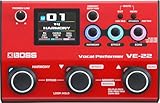
- Take charge of your vocal sound with the VE-22, a portable multi-effects toolbox specially designed for singers
- Perform with a diverse library of high-quality BOSS processing, from basic studio enhancement to dramatic voice-changing effects
- Enhance your sound with essential effects like compressor, EQ, delay, echo, reverb, and more
- Create processed sounds with lo-fi, distortion, radio, ring mod, and other specialty effects
- Automatic pitch correction for soft fine-tuning or aggressive electronic tones

- All-in-One Solution: AVE-100 vocal processor with pitch correction, harmony, echo, and reverb effects, supports 48V phantom power. Microphone amp without complex setup, ideal for singers at any level, streamers, and producers.
- Elevate Your Vocal Performance: Achieve flawless vocals effortlessly with real-time natural or chromatic pitch correction, ±3rd or doubling harmony. Built-in echo and reverb effects provide immersive spatial sound, making your performance cpativating and studio-ready.
- Never Struggle with Song Keys & Accompaniment: Innovative AI automatic KeyLearn recognizes the song key to ensure accurate auto-tune and harmony effects. Plus, with one-touch VocalErase (Please play back the audio via the AUX in), you can extract instrumental instantly for home karaoke, practice, and live streaming.
- Intelligent Feedback Killer: 3 levels of smart feedback suppression, you can perform with confidence and enjoy a clean, stable audio output, free from any annoying howling and feedback whether you are at stage, recording, or podcasting.
- Capture Your Inspiration: Never lose an idea with phrase looping and unlimited overdubs, USB-C port supports OTG function allowing easy access to your phone or computer. Compact and durable, easy to carry, and ready to slip into your backpack.

- The FV01 vocal effects Corrector is primarily a pitch-correction pedal that offers everything from pitch correction to full-blown effects overload when your input is a microphone.
- The FV01 features three separate vocal effects as indicated by the TONE LED displayed prominently in the center of the pedal.
- Singers can switch between WARM, BRIGHT, and NORMAL modes, with each mode indicating the type of EQ manipulation provided by the pedal.
- It can be used as a microphone amplifier or a traditional stompbox. Optional 48V phantom power for condenser microphones.
- Two different output modes for a mixed-signal or individual signals from guitar and microphone.

- Professional Microphone Compatibility for All Setups: Features 6.35mm/XLR combo input jack and professional-grade preamp, supports 48V phantom power. Works seamlessly with dynamic, condenser, and ribbon microphones, eliminating the need for extra adapters or converters for stage, studio, or home use
- Pitch-Perfect Vocals with Minimal Effort: Equipped with 2 auto-tune correction modes to fix off-key notes in real time and 3 harmony modes to add depth to your voice. Whether you're a beginner or seasoned performer, it delivers studio-quality vocal refinement without complex adjustments
- Immersive Sound & Intelligent Stage Protection: Built-in stereo Echo and Reverb effects create spacious, atmospheric sound for performances. One-click intelligent feedback reduction eliminates annoying howls, while AI automatic tonality recognition (12 major/minor keys) ensures quick, accurate key matching for live gigs and karaoke nights
- Creative Freedom & Hassle-Free Creation: Aux-in intelligent vocal cancellation lets you turn any song into accompaniment instantly, no need to search for backing tracks. Unlimited overlay Looper function sparks creative experimentation, and OTG internal recording plus headphone jack allows you to capture vocals anytime, anywhere for podcasters, streamers, and songwriters
- User-Friendly Design for All Scenarios: Compact and durable build fits easily in gig bags for on-the-go use. Simple one-button operation and intuitive controls make it easy to switch effects mid-performance. Compatible with live shows, home recording, streaming, and karaoke, meeting the needs of singers, content creators, and music enthusiasts

- From Subtle Pitch Correction to Hard Antares AutoTune Effect - VX5 is an intuitive vocal effects pedal with dedicated Retune Speed and Humanize knobs enabling adjustments with no computer needed
- The Classic AutoTune Sound - At the heart of VX5 is the iconic Antares algorithm, expanding the scope of effects available to vocalists; fit for live stage performance and studio sets alike
- Designed for Vocalists and Producers of All Skill Levels - Ensuring confidence and creative control with access to real-time vocal processing with no perceptible latency, all in a compact form
- Studio-Quality Features - Onboard compressor, reverb, delay, chorus and flavor FX allow you to adjust effects from song to song during a live set-as individual effects or simultaneously chained
- Easy Presets Adjustment - Includes 99 factory presets, stores up to 250 total; hands-free preset control via two footswitches; color display with simple up/down menus for seamless preset programming

- The Harmony provides 11 different harmony modes to choose from and can comfortably shift between major and minor scales for ultimate pitch flexibility.
- The FV04 Harmony is the first effects pedal from Flamma aimed at vocalists and guitarists. It happily accepts guitar or microphone inputs and includes dedicated reverb effects for each.
- The FV04 acts as an all-in-one effects solution with the ability to choose between mixed signal or individual outputs to separate vocal and guitar channels.
- Support for 48V phantom power is also included as is the option to use the FV04 as a microphone amplifier.
- The FV04 runs on the included 9V 500mA power supply and its sleek blue, all-metal shell is gig-ready and built to last.

- Simultaneously use up to three vocal processors from the voice, harmony and effect sections
- 100 memory locations for storing user-created patches
- Formant shift pedal for adjusting your vocal character in real time
- V6-SP offers 12 voice effects; 10+ studio effects (distortion, chorus, etc.); 3-voice Harmonizer; and over 40 preset Patches
- Looper for recording up to 3: 30

- Powerful Electric Guitar FX and Amp Modeler and Vocal Processor - 7" hi-res touchscreen and a multi-core processor with a huge library of guitar and vocal FX, including amplifier modeling and onboard looper
- Smart Amp Cloner with Wi-Fi Cloud Sharing - Capture the sound, dynamic and feel of your favorite amps, pre-amps, overdrive, distortion and fuzz pedals. Share them via Wi-Fi through the HeadRush Cloud
- Vocal FX Suite - Includes Antares Auto-Tune for perfect onstage vocals; Record direct to Mac/PC (up to 24-bit 96 kHz) via the built-in USB Audio interface, Bluetooth audio receiver for device playalong
- Built-in Drum Machine and Looper with MIDI Sync - Integrated Drum Machine with easy footswitch workflow and 16 kits/134 patterns by Alesis Drums/BFD; Save loops as .WAV files, then load/export them later
- Connections - 1/4" in for electric guitars, Combo XLR + 1/4" in with switchable phantom power for mics, Stereo XLR and 1/4" outs, 1/8" headphones out, 5-Pin MIDI I/O, 1/4" stereo FX loop, and more

- Battery-powered Portable Vocal Processor with 24 Harmonies
- Additional Studio-style Processing
- Reverb
- Delay
Best Vocal Effects Processors Buying Guide
Before choosing the best vocal effects processor you should consider following options:
1. Types of Effects Processors: Before buying an effects processor, you should be aware of the various types available. An effects processor can be broadly divided into two categories – audio and vocal.
The audio processor is used for tasks such as mixing, recording, mastering and post production. A vocal effects processor is used for correcting and applying effects on vocals during live performances and studio recordings.
2. Audio Effects Processor vs Vocal Effects Processor: While choosing an audio effects processor, you need to be aware of the type of effects it offers.
A good audio effects processor should ideally have multiple effects. You can have up to thousands of effects on an audio processor. These include reverbs, delays, choruses, EQs, distortions, modulators, etc.
A vocal effects processor, on the other hand, should ideally have only a few effects. These include reverbs, delays, de-essers, etc. You should ideally not have any other type of effect on a vocal processor.
3. Input and Outputs: The number of inputs and outputs of an effects processor is important. The more the number of inputs and outputs, the more flexibility the processor offers.
Depending on the number of channels you want to process, you should ideally have more input channels than output channels. Ideally, you should have at least 2:1 ratio of input to output channels.
4. User Interface: A good user interface is important for an effects processor. It should ideally be easy to use and provide control over various effects.
Depending on the type of processor you want, the user interface can be different. For audio processors, a good interface will have a knob for each effect.
For vocal processors, a good interface will have a knob for effects such as de-essers, filters, and delays. The interface can have knobs or faders for the various effects.
5. Types of Effects: You should ideally have at least a few effects that you can use in your music productions. For example, an audio processor should ideally have a good number of delays.
A vocal processor, on the other hand, should ideally have a good number of reverbs. You should ideally have a few effects that you can use in your productions.
6. Processing Power: The processing power of an effects processor is important. You should ideally have enough processing power if you are going to use multiple effects simultaneously.
For example, if you want to use a compressor and a delay simultaneously, you need to have enough processing power. The more the processing power, the more flexibility the processor offers.
7. Cost: The cost of an effects processor is important. Depending on the number of effects and various other factors, the overall cost of the processor can vary.
For example, if you want to have multiple reverbs, the overall cost of the processor will be higher. Depending on various factors, the overall cost of an effects processor can vary.
8. Quality of Effects: The overall quality of the effects is important. Depending on the number of effects and overall processing power, the overall quality of the effects can vary.
For example, if you are going to use multiple reverbs, the overall quality of those reverbs will be good. The overall quality of the effects will depend on various factors.
What else you should know about vocal effects processors
1. What are the best vocal effects processors on the market?
The best vocal effects processors on the market include the TC Helicon VoiceLive 3, the Boss VE-20, and the Zoom H4n Pro.
2. What are the best features of a vocal effects processor?
Some people might say that the best features of a vocal effects processor are its ability to change the pitch and tone of your voice, as well as its ability to add reverb and other effects.
3. How do I choose the best vocal effects processor for my needs?
There is no one-size-fits-all answer to this question, as the best vocal effects processor for your needs will depend on the specific details of your setup and what type of sound you are looking to achieve. However, some general tips that may help you choose the best vocal effects processor for your needs include:
– Considering what type of sounds you want to be able to create with the processor, and whether you need it to be versatile or specialized.
– Checking reviews from other users to get an idea of which models are most popular and highly rated.
– Considering your budget and how much you are willing to spend on a vocal effects processor.
4. What are the different types of vocal effects processors?
The different types of vocal effects processors are pitch shifters, harmony generators, vocoders, and pitch correctors.
5. How do I use a vocal effects processor?
There is no one-size-fits-all answer to this question, as the best way to use a vocal effects processor will vary depending on the specific model and your own personal preferences. However, some tips on how to get the most out of your vocal effects processor include experimenting with the different settings to see what sounds best for your voice, and using the processor to enhance your natural vocal sound rather than trying to completely change it.
Conclusion
On the market, there are numerous best vocal effects processors. Hopefully, the list of the top ten best vocal effects processors will save you time researching and deciding on the best one for you.